



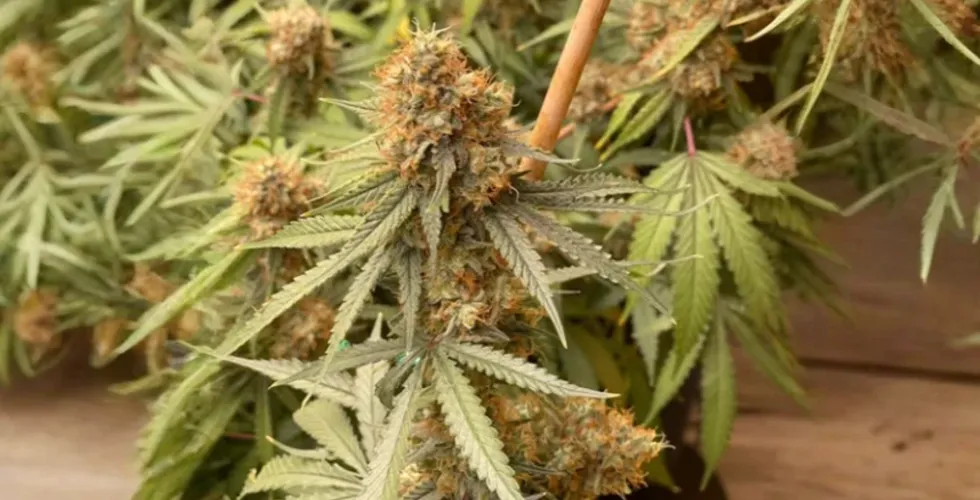

Buying a cannabis clone is easy enough to make the process seem simpler than it really is. A strain name catches your attention, the plant looks healthy in a photo, and the rest can feel like a formality. We see it differently. The details behind the plant matter, especially when you are choosing genetics you plan to grow yourself. If you are comparing cannabis clones in Massachusetts, it is worth asking a few questions before placing an order. Where did the plant come from? How established is it? What can you tell about the mother plant? How will it be handled before it reaches you? Those answers give you a much better picture of what you are actually buying.
Where Did the Clone Come From?
Start with the simplest question: where did this clone come from? A clone is a genetic copy of the plant it was taken from, which makes the mother plant an important part of the story. We recommend asking whether the mother plant was started from known genetics, how it was selected, and whether the nursery can explain the lineage behind the variety. Two plants can carry the same strain name while coming from completely different sources. The name on the label tells you what the plant is supposed to be, but understanding its source tells you much more about the care and selection behind it.
How Established Is the Root System?
This is one of those questions that can easily get skipped because the plant itself is what catches the eye. We would rather look underneath. Ask how well established the roots are and how long the clone has had to develop before it is offered for sale. A freshly taken cutting and a well-rooted clone are not the same starting point. The plant’s root development gives you useful information about how far along it is and what kind of transition it has already made. A reputable seller should be comfortable explaining the plant’s current stage rather than leaving you to guess from its size or appearance.
What Growing Medium Has Been Used?
The growing medium is another useful detail, particularly if you already have a preferred cultivation approach. Ask whether the clone has been raised in soil, a soilless medium, or another growing system, and find out what you can expect when the plant changes environments. We grow our clones in organic living soil, so that information is part of the conversation from the beginning. It is not about claiming that one medium is automatically right for every grower. It is about knowing how the plant has been raised so you can make sensible decisions about what happens next.
How Developed Is the Plant?
Not every buyer wants the same starting point. One grower may prefer a smaller rooted clone with plenty of development ahead, while another may want a more established plant that has already had additional time to grow. Ask about the plant’s approximate size, development stage, and whether it has been trained or topped. These details can change what you are getting for your money and how much early plant development remains. We think this question is particularly important because “clone” can describe plants at noticeably different stages, and a product description should make that distinction clear.
Which Genetics Are Available?
A strain name is only the beginning of the conversation. Ask which genetics are currently available, who bred them, and whether the plants come from established mother stock. If you have particular preferences for plant structure, aroma, growth characteristics, or other traits, bring those preferences into the discussion rather than choosing purely from a name. Availability can also change, especially with limited or small-batch selections. We would rather see a grower choose a variety that fits their plans than pick something simply because it happens to be listed at the moment.
How Will the Clone Reach Me?
If you are ordering cannabis clones in Massachusetts, ask about the actual handoff before you order. Is local pickup available? Are shipped plants packaged specifically for transit? What should you expect when the package arrives? These are practical questions, not unnecessary details. A plant that is collected locally has a different journey from one that spends time in transit, and knowing the process beforehand lets you prepare appropriately. We offer both pickup and shipping options, so we believe buyers should have a clear understanding of how their plants will reach them before the order is finalized.
What Should I Have Ready?
There is no prize for making the first day unnecessarily complicated. The useful approach is simply to have the basics prepared before the plant arrives or is collected. A straightforward checklist includes:
- Growing space: Have an appropriate place ready for the plant before bringing it home.
- Container: Make sure the plant has a suitable container for its current stage.
- Growing medium: Prepare the medium that matches your intended cultivation approach.
- Lighting: Have the appropriate lighting available for the plant’s environment.
- Water: Keep suitable water available so basic care does not become an afterthought.
- Transplant supplies: Have the necessary materials ready if the plant needs to be moved into its next container.
Preparation does not need to become a project of its own. The point is simply to avoid bringing home a living plant and then spending the next few hours figuring out where everything is.
What Can You Tell Me About the Mother Plant?
“This may be the question we wish more buyers asked. The mother plant is the source of the clone’s genetics, so understanding its background gives you valuable context. Ask how the mother was started, how it has been maintained, and what cultivation practices are used. At The Clone Girl, our mother plants are started from seed and grown in organic living soil, and that background is part of how we approach clone production. You do not need a long technical explanation every time you buy a plant. You do deserve enough information to understand where that plant began.”
What Happens After I Receive It?
A good buying experience should include some idea of what happens after the plant changes hands. Ask whether transplant information is provided and whether there are specific recommendations for handling a shipped plant when it arrives. We provide guidance for customers receiving shipped clones because preparation and timing can make the transition much more straightforward. This is also where communication matters. If a seller is willing to answer questions before the sale, that usually tells you something about how seriously they take the plants they are offering.
Conclusion
The smartest clone purchase is rarely based on a photograph or a strain name alone. We look at the bigger picture: genetics, mother-plant history, root development, growing medium, plant maturity, availability, and the way the plant will reach its new home. If you are evaluating a cannabis clone nursery in Massachusetts, ask those questions and listen closely to the answers. Clear information should not be difficult to get. When you are ready to explore available genetics, reach out to us to discuss current clone selections, pickup, and shipping options, and let us help you choose a starting point that makes sense for your plans.
FAQs
1. Why should buyers ask where a cannabis clone came from?
Knowing the clone’s source and genetic background provides useful context about the plant and its mother stock.
2. How established is the root system of a cannabis clone?
Ask how developed the roots are and how long the clone has been growing before being offered for sale.
3. How developed is the cannabis clone before purchase?
Ask about its approximate size, development stage, and whether it has already been trained or topped.
4. What should buyers ask about the genetics of a cannabis clone?
Ask which genetics are available, who bred them, and whether the plants come from established mother stock.
5. What should buyers know about shipping or pickup options?
Ask how the clone will be packaged, transported, and handled so the receiving process is clear and straightforward.