



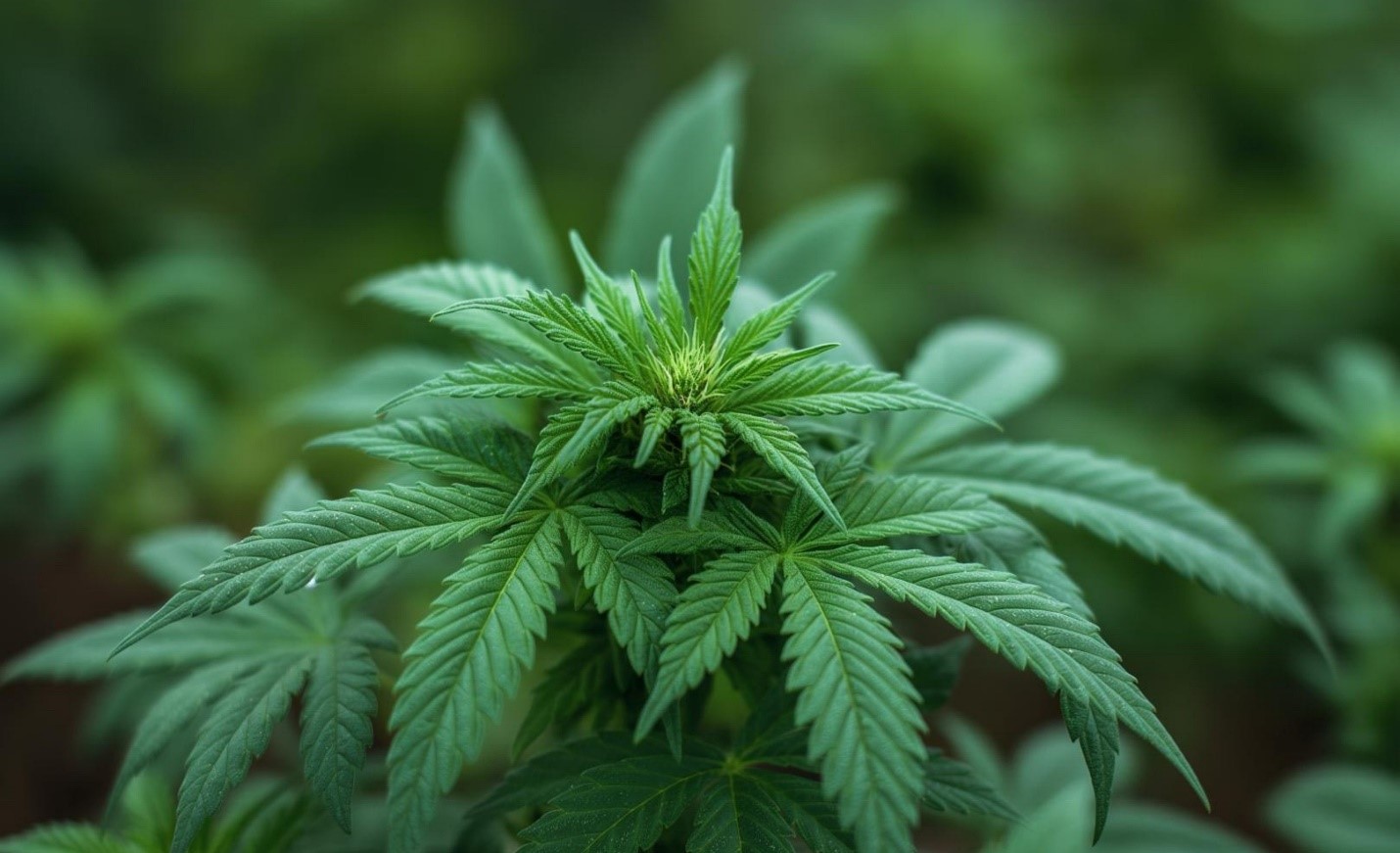

A cannabis clone can look great from the top and still have issues you cannot see at first glance. The leaves might be green, the stem might look sturdy, and the plant might seem ready to go. But what is happening around the roots matters just as much. If you are buying a clone, knowing how to read these small signs can save you from bringing home a plant that is already struggling.
For producers seeking premium cannabis genetics in Massachusetts, the first step to obtaining a healthy clone is knowing what a rooted cutting should look like. A rooted clone has formed its own root system and is able to absorb water and nutrients through those roots. This is a significant milestone, but it doesn’t indicate the plant is thriving. A cutting might be damaged by poor handling, stress, or improper conditions even when roots have grown. A selection should be made on the full plant and not just the fresh-looking leaves.
Start With the Leaves
Leaves are usually the easiest place to begin. Healthy foliage tends to look firm and reasonably even in color, although the exact shade and shape depend on the strain and growing conditions. A little variation is nothing to panic about. What deserves attention is a pattern of yellowing, persistent curling, unusual spots, or leaves that appear limp despite otherwise suitable conditions. Check several leaves instead of focusing on just one. An older leaf with a blemish may not mean much, but widespread damage can be a reason to ask more questions before buying.
Take a Look at the Roots
The roots tell you whether the cutting has established itself below the surface. If you can see them through a clear container or around the edges of the growing medium, look for roots that appear firm rather than slimy or mushy. Healthy roots are often white or cream-colored, though their appearance can vary with the medium and growing conditions. Dark, soft roots or an unpleasant smell can point to a problem. You should also consider whether the root system seems established enough for the plant’s stage of growth. If the roots are hidden, ask the seller about rooting progress and transplant readiness. There is no need to pull a young clone apart just to inspect what is happening underground.
Check the Stem and Overall Structure
A good clone will have a stem that will maintain its growth, not broken, not twisted from injury, not weakened at the base. Pay attention to where the stem enters the growth media. Any dark patches, obvious injury, or soft tissue should be looked at more closely. The shape of the plant can also be a tip. A cutting with a weak stem and irregular, stretched growth could require more support than a cutting with solid, balanced growth. But not all the clones should look alike. Strain factors and growing conditions affect height, leaf spacing, and structure. Check to see if the plant feels solid for its growing stage; don’t look for a flawless shape.
Look for Signs of Pests
A quick pest inspection is worth the extra minute, even when a clone looks healthy at first. Turn over a few leaves and check along the stems and around the points where leaves meet the main stem. Tiny insects, fine webbing, sticky residue, and unexplained speckling can indicate pest activity. Some leaf marks have other causes, so do not assume every blemish means an infestation. Ask the seller if you are unsure. When comparing clones for sale in Massachusetts, it is reasonable to ask how plants are inspected and whether any pest issues have been observed. This matters especially if you already have plants at home. Introducing an infested cutting can turn a simple purchase into a much bigger problem.
Genetics Matter, but So Does the Individual Plant
A healthy-looking clone is not necessarily genetically superior, just as a well-known strain name does not guarantee a healthy cutting. Genetics and plant condition are two different parts of the buying decision. If you are searching for premium cannabis genetics in Massachusetts, ask where the clone came from, whether its mother plant is identified, and what information is available about its genetic background. A clear answer gives you a better understanding of the plant’s origins than a strain label alone. Genetic lineage can help you understand a strain’s known characteristics, but the clone in front of you still needs to be properly rooted, handled, and cared for. Both deserve your attention.
Questions to Ask Before Buying
A short conversation with the seller can tell you things a visual inspection cannot. Ask how long the clone has been rooted, what growing medium it is in, and whether it has shown signs of stress recently. You can also ask whether the strain identity and mother-plant origin are documented. During your inspection, keep these practical checks in mind:
- Leaves: Look for firm foliage without widespread, unexplained discoloration or spotting.
- Roots: Check visible roots for signs of healthy development, and ask about rooting progress if they are concealed.
- Stem: Look for sturdy growth without obvious damage or soft tissue near the base.
- Pests: Check leaf undersides and stem joints for insects, webbing, or suspicious residue.
- Growing history: Ask about the strain, mother plant, growing medium, and recent care.
None of these checks guarantees that a plant will thrive, and a visual inspection cannot reveal every issue. Still, together they give you a much clearer picture of what you are buying. A seller who answers questions openly also makes it easier to understand the plant’s history and what it may need next.
Conclusion
When selecting a rooted cannabis clone, inspect underneath the leaves. Good stem, healthy-looking foliage, firm roots, and no evident symptoms of pests are all useful pointers, but none reveal the whole story. Take your time, ask questions, and don’t feel pressured to buy a plant if something doesn’t seem right. The Clone Girl offers rooted cannabis clones from selected mother plants, information about their cultivation strategy, and their availability for purchase. Visit the website to see the genetics available, learn a bit more about the rooted clones, and evaluate pickup or shipping choices before you order.
FAQs
1.What are the signs of a healthy rooted cannabis clone?
Look for firm leaves, a sturdy stem, established roots, and no obvious signs of pests or deterioration.
2.What color should healthy cannabis clone roots be?
Healthy roots are often white or cream-colored and firm, while dark, mushy roots or unpleasant odors may indicate a problem.
3.Can a cannabis clone look healthy but still have problems?
Yes, a clone may have attractive foliage but hidden root damage, pest issues, or stress from poor handling and growing conditions.
4.What should I check for when buying cannabis clones?
Inspect the leaves, stem, visible roots, and leaf undersides for signs of damage or pests, and ask about the plant’s growing history.
5.Why does the mother plant matter when choosing a cannabis clone?
Knowing the mother plant’s identity and genetic background provides useful information about the clone’s origins, but its individual health still needs to be assessed.